Over 60% of American office workers consume their midday meal at their desks while staring at a screen, according to research published by the American Psychological Association. This habit of continuous multi-tasking leads directly to early afternoon energy slumps, poor digestive health, and decision fatigue.
The primary barrier to changing this routine isn’t a lack of desire for healthy food—it is time. When busy schedules collapse the midday break, finding easy lunch recipes that balance high protein, low preparation friction, and structural stability becomes essential.
Reclaiming the midday meal requires stepping away from traditional cooking methods. By focusing on smart ingredient combinations and high-density, prep-ahead components, anyone can assemble fresh, satisfying lunches in less time than it takes to stand in a restaurant line.
The Nutritional Science of the Midday Slump
The standard American lunch often leans heavily on refined carbohydrates—think classic white bread sandwiches, heavy pasta bowls, or sugary fast-forward options. These choices trigger a rapid spike in blood glucose, followed immediately by a surge in insulin.
When blood sugar crashes two hours later, cognitive performance drops significantly. The National Institute of Diabetes and Digestive and Kidney Diseases notes that maintaining steady blood glucose requires balancing complex carbohydrates with high-quality protein, dietary fiber, and healthy fats.
[ HIGH-CARB LUNCH ] [ BALANCED NO-COOK LUNCH ]
Rapid Glucose Spike (30 min) Steady Energy Plateau (3-4 hrs)
│ │
▼ ▼
Insulin Over-compensation Slow, Sustained Digestion
│ │
▼ ▼
Midday Energy Crash & Brain Fog Focused Cognitive Output
Integrating fresh, high-density whole foods into mid-day routines stabilizes energy without requiring stove-top prep work.
5-Minute Wraps and Elevated Sandwiches
When speed is the primary constraint, handheld options provide maximum convenience. However, standard deli-meat sandwiches often lack nutrient density and suffer from soggy bread if made too early.
1. Creamy Avocado & Protein Roll-Ups
Replacing traditional heavy mayonnaise with mashed avocado and high-protein Greek yogurt creates a rich base that holds ingredients together without softening whole-wheat tortillawraps.
- The Base: Mash half an avocado with two tablespoons of plain, whole-milk Greek yogurt, a teaspoon of Dijon mustard, and fresh lemon juice.
- The Protein: Fold in four hard-boiled eggs (diced) or a half-cup of shredded roasted chicken.
- The Roll: Spread evenly over a high-fiber, sprouted-grain tortilla, layer with fresh spinach, and roll tightly.
2. Mediterranean Chickpea & Olive Mash

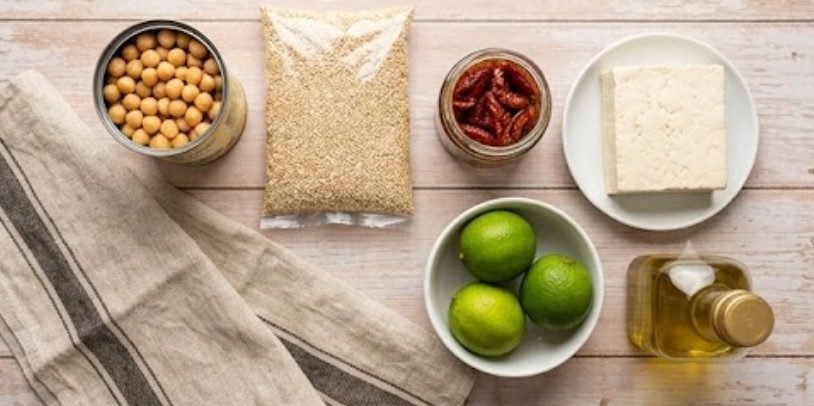
Chickpeas offer an exceptional source of plant-based protein and soluble fiber. When lightly crushed, their soft texture mimics classic salad fillings while staying completely shelf-stable during storage.
- The Preparation: Mash one drained, rinsed 15-ounce can of chickpeas with a fork or potato masher.
- The Flavor Layer: Fold in chopped sun-dried tomatoes, diced kalamata olives, marinated artichoke hearts, and roasted red peppers.
- The Assembly: Season with dried oregano, red wine vinegar, and olive oil. Scoop into toasted whole-grain pita pockets or layer over crusty sourdough bread.
3. Pan-Seared Italian Deli Toast
Upgrade basic deli meats by changing how heat and moisture interact with cheese and bread.
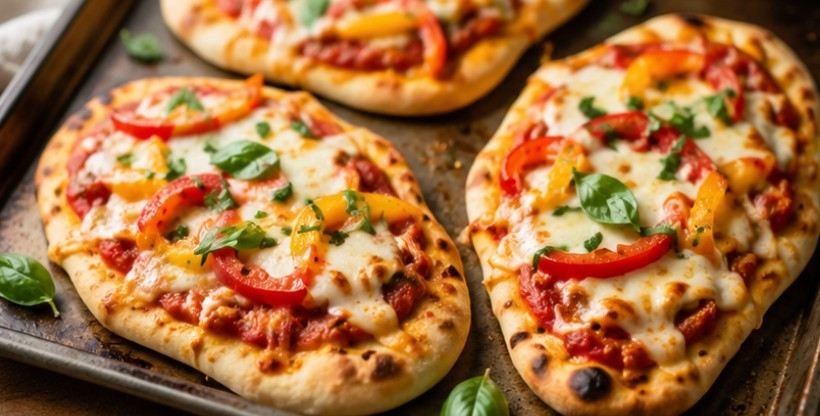
- The Layering: Place thin slices of roasted turkey or dry-cured salami onto sourdough bread, topped with sliced fresh mozzarella and a thin layer of basil pesto.
- The Toast: Press in a hot skillet for three minutes per side until the outer bread crisps and the interior cheese fully melts.
Dense Salads That Hold Up for Days
One major flaw of traditional leafy salads is their tendency to wilt within hours of contact with dressing. Dense salads swap delicate greens for sturdy root vegetables, legumes, and crisp cruciferous plants that retain structural integrity over several days.
Mayo-Free Cucumber and Herb Chicken Salad
Ditching heavy mayonnaise dressings allows light, citrus-driven vinaigrettes to highlight fresh ingredients without breaking down overnight.
- Mix cooked, cubed chicken breast with thick-cut English cucumber, diced red onion, and chopped fresh dill.
- Toss with a simple dressing of extra virgin olive oil, fresh lemon juice, garlic powder, and sea salt.
- Result: A crisp bowl that actually improves in flavor after 12 to 24 hours in the refrigerator.
High-Fiber Legume & Garden Crunch Bowl
According to the U.S. Department of Agriculture, less than 10% of American adults consume the daily recommended intake of dietary fiber. Dense bean salads directly bridge this nutrition gap.
DENSE SALAD STRUCTURAL MATRIX
┌─────────────────────────────────────────┐
│ BASE: Cannellini Beans + Chickpeas │
├─────────────────────────────────────────┤
│ CRUNCH: Cucumber + Bell Pepper + Onion │
├─────────────────────────────────────────┤
│ ACID & FAT: Red Wine Vinegar + Olive Oil│
├─────────────────────────────────────────┤
│ STABILITY: Stays fresh up to 5 days │
└─────────────────────────────────────────┘
Combine rinsed cannellini beans and chickpeas with diced bell peppers, crisp seedless cucumbers, crumbled feta cheese, and finely chopped jalapeño. Drizzle with a red wine vinaigrette. Because legumes absorb dressing without breaking down, this mix serves as a reliable prep-ahead standard for the entire workweek.
Strategy Matrix: Speed, Prep, and Shelf Life
Selecting the right strategy depends on your specific daily schedule, kitchen access, and prep time available.
| Lunch Type | Prep Time | Shelf-Life (Dressed) | Key Protein Source | Best Used For |
| Avocado Egg Roll-Up | 5 Mins | 4–6 Hours | Hard-Boiled Eggs / Greek Yogurt | Immediate, high-protein morning assembly |
| Chickpea Mash Sandwich | 7 Mins | 24 Hours | Chickpeas | Fast plant-based meal building |
| Dense Bean Salad | 10 Mins | 4–5 Days | Cannellini Beans / Feta | Sunday batch meal prep |
| Mayo-Free Chicken Salad | 8 Mins | 2–3 Days | Diced Roasted Chicken | Mid-week protein replenishment |
The 3-Step No-Cook Meal Prep Framework

To execute easy lunch recipes consistently without spending hours in the kitchen every Sunday, follow this three-step assembly technique:
Step 1: Build the Fiber & Protein Core
└── Pair a sturdy legume (chickpeas, black beans) or pre-cooked protein with crisp vegetables.
Step 2: Isolate Moisture
└── Store dressings separately, or apply them only to dense ingredients that do not absorb water easily.
Step 3: Add Fresh Textures Right Before Eating
└── Keep nuts, seeds, tortilla wraps, and toasted breads packaged separately until the moment of consumption.
By stocking pre-cooked proteins (like store-bought rotisserie chicken), canned legumes, and pre-washed sturdy vegetables, assembling nutritious midday meals requires minimal daily effort.
When Fast-Lunch Prep Strategies Fail

While quick assembly strategies fit most schedules, a few exceptions require modified planning:
- High-Hydration Ingredients: Tomatoes and delicate leafy greens (like butter lettuce or baby spinach) release water quickly once salted, causing wraps or prepared salads to become soggy within hours.
- Strict Low-FODMAP Requirements: Highly reliant on beans, legumes, garlic, and onions, standard dense salad recipes can trigger digestive discomfort for individuals with specific gastrointestinal sensitivities.
- High-Output Athletes: Extremely light salads and low-calorie wraps often fail to deliver the total caloric density required for heavy athletic training or demanding physical labor.
Frequently Asked Questions
1. What makes a salad stay fresh for meal prep?
Using dense ingredients like beans, cucumbers, bell peppers, and root vegetables instead of soft greens keeps salads crisp. Storing vinaigrettes separately or using oil-and-vinegar bases rather than mayo-based dressings also prevents wilting.
2. How can I add protein without cooking chicken or beef?
Use pre-cooked options like canned chickpeas, black beans, lentils, hard-boiled eggs, Greek yogurt, seeds, canned tuna, or pre-shredded rotisserie chicken from the grocery store.
3. Can wraps be made the night before without getting soggy?
Yes. Create a moisture barrier by placing dry ingredients (like cheese or spinach) directly against the tortilla, and keeping wet spreads (like avocado, mayo, or hummus) toward the center of the wrap.
Master Your Midday Meal
The habit of settling for heavy take-out meals or skipping lunch altogether is rarely about a lack of discipline—it is a system design failure. By replacing multi-step cooking routines with smart assembly techniques, high-density ingredients, and stable prep strategies, you remove daily friction from your routine.
Investing just ten minutes in preparing balance-focused, high-protein midday meals yields immediate returns in cognitive focus, sustained physical energy, and personal health. Start with one simple roll-up or dense salad this week, refine your prep routine, and take control of your daily schedule.